
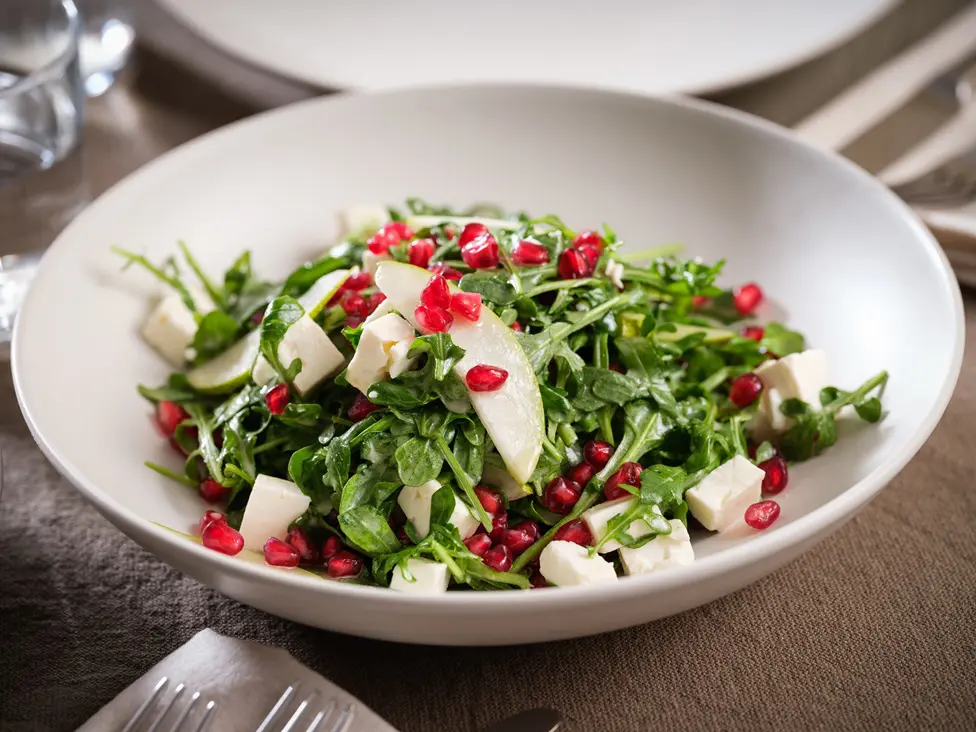
February reminds us that even small, intentional choices can make a powerful impact on heart health—one Cura meal, one habit, one day at a time.
A plant-forward approach is a flexible, realistic way to support heart health, boost overall wellness, and promote environmental sustainability, without eliminating animal foods entirely.
Why Go Plant-Forward?
Research shows that reducing animal protein—especially processed meats—may lower the risk of:
- Cardiovascular disease and stroke
- High blood pressure and elevated cholesterol
- Type 2 diabetes
- Obesity
- Certain cancers
Processed meats like bacon, sausage, and deli meats are often high in saturated fat, sodium, and preservatives and should be limited. When choosing animal protein, opt for lean options such as skinless poultry or seafood.
Can You Get Enough Protein Without Meat? Absolutely.
Plant-based proteins can easily meet your needs when you include a variety of:
- Beans, lentils, and chickpeas
- Tofu and edamame
- Nuts and seeds
- Whole grains
- Vegetables like broccoli, spinach, Brussels sprouts, and sweet potatoes
Diversity is key. A wide range of plant foods helps ensure adequate protein and overall nutrient intake.
Whole Foods First
Not all plant-based diets are created equal. Highly processed meat substitutes can still be high in sodium and additives.
Focus on nutrient-dense whole foods:
- Vegetables
- Fruits
- Whole grains
- Legumes
- Nuts and seeds
Even when dietary changes are made later in life, research shows that emphasizing whole plant foods supports improved cardiovascular outcomes.
Additional Benefits of Plant-Forward Eating
- Higher in fiber, vitamins, and minerals
- Naturally lower in saturated fat
- Supports digestive health
- Cost-effective
- More environmentally sustainable
A plant-forward lifestyle isn’t about perfection; it’s about progress. Start with small, consistent changes, prioritize whole foods, and focus on variety. Your heart and the planet will thank you!